






Cyber Insurance: Guarantee of Your Safety in the Digital World
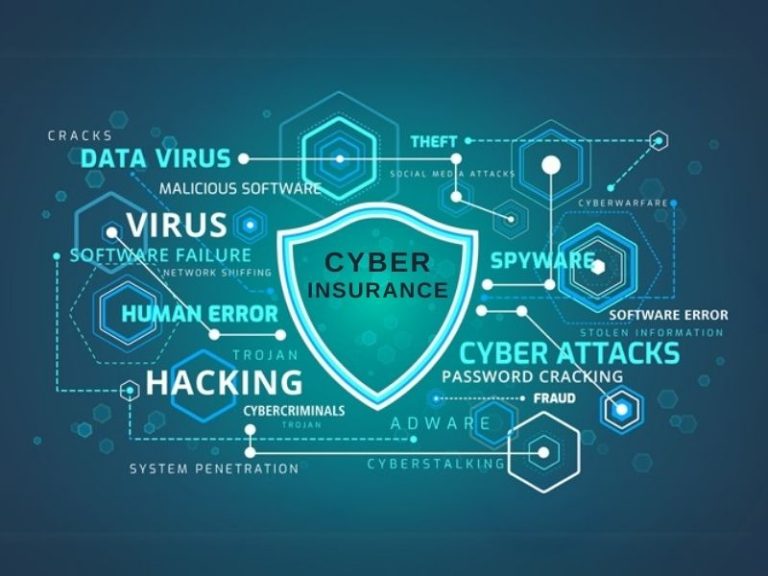
In today’s increasingly digital world, technology plays a central role in both personal and commercial areas of our lives. While this digital transformation offers new ways for efficiency and connectivity, it simultaneously creates vulnerabilities to more sophisticated cyber threats. One of the best measures to prepare for and ensure the security of your data is purchasing cybersecurity insurance. This specialized policy financially protects individuals and organizations against events like cyberattacks and data breaches.
What is Cyber Insurance?
Also known as cyber liability/risk insurance, cybersecurity insurance is a type of coverage designed to protect individuals and organizations against cyber threats and other online crimes, or to assist in recovery efforts after an attack. It is also a critical tool for safeguarding digital assets, quickly recovering from cyber incidents, and managing legal liabilities. Cybersecurity insurance aims to protect personal computers, mobile devices, systems that provide electronic data flow, and data itself from malicious attacks.
Why is it Important?
Cyberattacks are increasing and becoming more complex every day. These attacks can lead to devastating consequences, such as data breaches, cybercrimes, ransomware, and operational downtime. Cybersecurity insurance is crucial for covering financial losses, ensuring operational continuity, managing legal liabilities, and minimizing reputational damage caused by such incidents.
Types of Cybersecurity Insurance
Cybersecurity insurance is generally categorized under two main types:
Personal Cybersecurity Insurance:
This is designed to protect individuals’ personal digital assets against cyber threats. It specifically provides security against risks such as identity theft, password theft, and online fraud.
- Individual Coverage Includes:
- Password protection (for banking transactions)
- Protection of identity information (income losses, legal expenses)
- Robbery after ATM withdrawals
- Losses from shopping on fake websites
- Legal expenses related to cyber risks (lawsuits, attorney fees)
- Replacement costs for stolen/lost payment cards/documents
Commercial Cybersecurity Insurance:
This is designed to protect businesses and organizations’ digital assets and operations from cyber threats. It is important for all commercial enterprises, SMEs, and industries processing sensitive data, as well as IT companies. Coverage includes incidents like data breaches, operational interruption, ransomware, and administrative penalties.
- Commercial Coverage Includes:
- Incident response (investigation, legal defense, public relations)
- Data loss and restoration costs
- Cyber extortion (ransom demands)
- Information security and privacy liability (third-party claims)
- Claims and defense costs related to data theft
- Reputational damage compensation
The Future of Cyber Insurance
The cybersecurity insurance market is expected to grow significantly by 2025. With the rise of cyber threats, the scope of cybersecurity insurance products will expand further. Technologies like artificial intelligence will increasingly be used in risk analysis, regulations will become stricter, and there will be a stronger focus on solutions tailored for SMEs. Cyber insurance is no longer a luxury—it is a critical necessity for businesses to survive in the digital world and protect their reputation.
Measures to Prevent Cyberattacks
Relying solely on insurance solutions is not enough to defend against cyberattacks. A comprehensive cyber defense strategy requires the following measures:
1. Education and Awareness
- Cybersecurity Training: Regular training sessions should be conducted for all employees about cyber threats, phishing attacks, identifying fake websites, and secure online behavior.
- Digital Literacy: Individuals should be encouraged to develop basic digital security skills, such as creating strong and complex passwords, secure login practices, and protecting personal data.
2. Technical Measures
- Firewalls and Antivirus Software: Company computers and servers should be protected with updated antivirus software and firewalls.
- Password Policies: Strong protocols for password creation and updates should be implemented, with mandatory regular changes.
- Regular Vulnerability Assessments: Systems and networks should be periodically tested for vulnerabilities to prevent attacks.
3. Incident Response Preparedness
- Response Plans: Companies should develop comprehensive incident response plans that include control, communication, and recovery steps for cyber incidents.
- Managed Detection and Response (MDR): Employ expert teams and advanced tools for 24/7 monitoring and rapid response to cyber threats.
4. Data Security and Backup
- Regular Backups: Critical data should be backed up daily or weekly and stored securely in a location that is independent of the main servers.
- Physical Access Restrictions: Access to sensitive data servers should be limited to authorized personnel, with distinct authorization levels defined.
5. Daily Life and Physical Security
- ATM Usage Awareness: Avoid seeking help from third parties during banking transactions and communicate only with authorized personnel.
Conclusion
While digital threats are inevitable, the right precautions and proper cybersecurity insurance policies can significantly reduce the financial and operational impacts of these threats. Cybersecurity insurance plays a supportive role in risk management. The primary protection is achieved through the combined implementation of employee training, technical security measures, regular backups, effective incident management, and physical security practices. Every user and organization is responsible for implementing these precautions.
In the future, security will not just be an option but a necessity.
Related Posts

How to Boost your Linkedin Profile?
- May 16, 2025

The Best Online Learning Platforms
- May 22, 2023
The Great Reshuffle
- November 16, 2022